
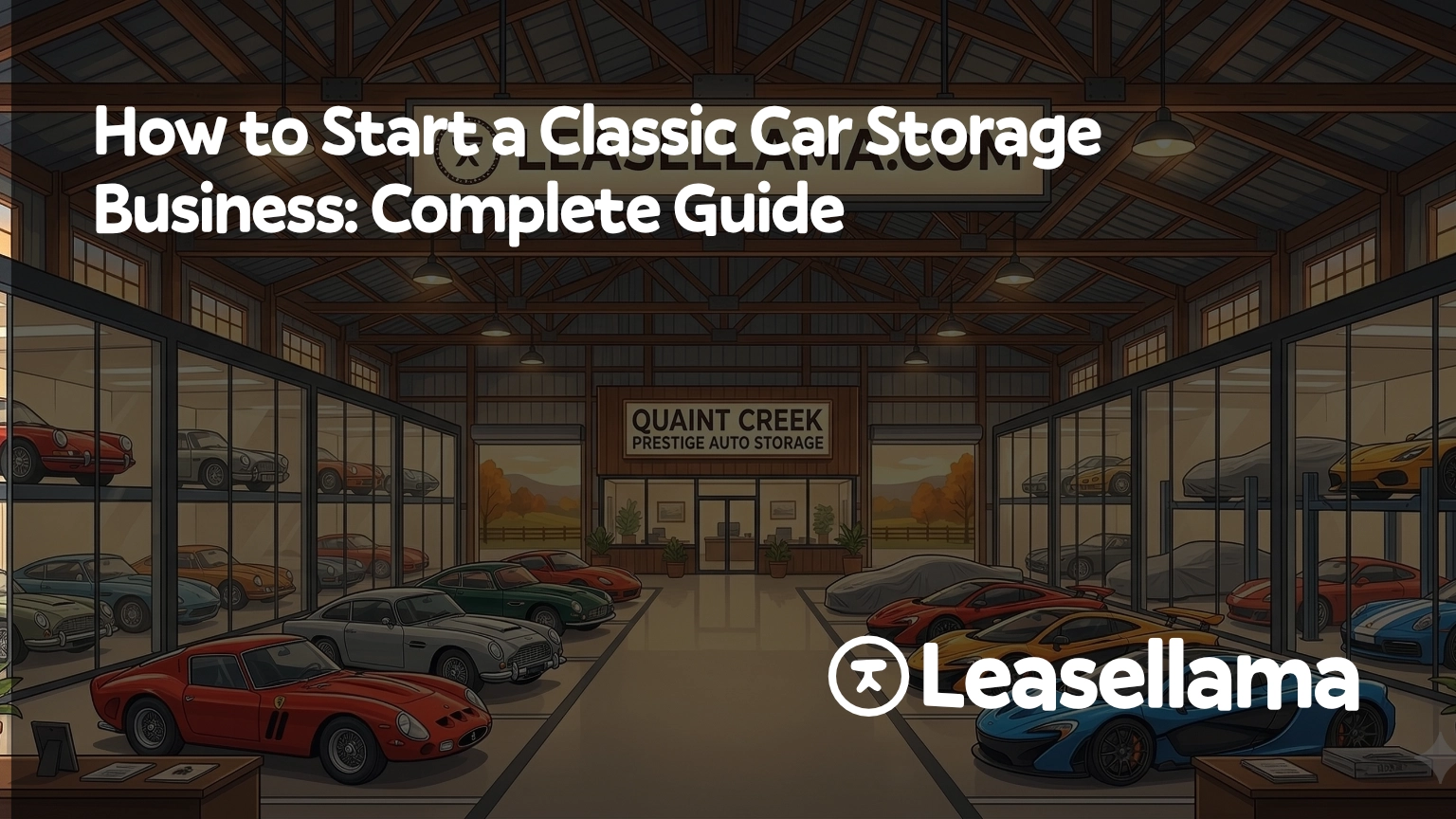
How to Start a Classic Car Storage Business: Complete Guide
Want to start a classic car storage business? Here's everything you need — from facility requirements to pricing to software — in one practical guide.
The LeaseLlama Team on April 1, 2026
Classic car collectors have a problem: they own more vehicles than they can keep at home. HOAs restrict driveway use, garages max out at two or three cars, and leaving a $100,000 vehicle outside isn’t an option.
That’s where you come in. Classic car storage is a premium niche with loyal, long-term customers who are willing to pay well for a secure, climate-controlled space. Here’s how to start one.
Why Classic Car Storage?
High margins: Climate-controlled car storage commands $300–$500/month per space, significantly more than standard RV or outdoor storage.
Low turnover: Collectors store vehicles for years, not months. Once a customer moves in, they’re likely staying.
Growing demand: The classic and exotic car market has been expanding steadily. More cars being collected means more cars needing storage.
Less competition: Most storage software and most storage businesses focus on self-storage units or RV lots. Classic car storage is underserved.
What You Need to Get Started
Facility Requirements
- Enclosed building: A warehouse, large commercial garage, or converted industrial space. Climate control is a major selling point.
- Climate control: Temperature and humidity regulation protects paint, leather, and mechanical components. This is what justifies premium pricing.
- Security: Camera systems, alarm monitoring, controlled access. Your customers are trusting you with valuable assets.
- Clean, dry floors: Epoxy-coated or sealed concrete. No gravel, no dirt — these are show cars.
- Good access: Wide enough doors and aisles for low-clearance sports cars and long classic sedans.
Insurance
Talk to a commercial insurance agent about:
- General liability coverage for your facility
- Bailee’s coverage (covers customers’ property while in your care)
- Make sure your lease agreements clearly state liability terms
Legal Basics
- Business entity (LLC recommended)
- Commercial lease or property ownership
- Local zoning approval for vehicle storage
- Written rental agreements for every customer
Space Planning and Layout
Think about how to maximize your building:
| Space Type | Typical Size | Monthly Rate |
|---|---|---|
| Standard bay (single car) | 10’ × 20’ | $250–$350 |
| Climate-controlled bay | 10’ × 20’ | $350–$500 |
| Oversized bay (trucks, large sedans) | 12’ × 24’ | $400–$600 |
| Motorcycle spot | 5’ × 10’ | $100–$150 |
| Shared open floor (non-reserved) | Varies | $200–$300 |
Consider offering:
- Reserved bays with assigned spots (premium)
- Shared floor space for customers who don’t need a dedicated bay (lower cost)
- Seasonal rates for customers who only store during winter months
Pricing Your Classic Car Storage
Research your local market, but here are general guidelines:
- Base rate: $250–$350/month for a standard indoor bay
- Climate-controlled premium: Add $100–$150/month
- Oversized surcharge: Add $50–$100/month for larger vehicles
- Discounts: Offer 5–10% off for annual prepayment to lock in long-term customers
For reference, look at what nearby facilities charge for indoor RV storage and adjust upward. Classic car customers expect better conditions and will pay for them.
Marketing Your Facility
Classic car owners aren’t searching “cheap storage near me.” They search for:
- “Climate controlled car storage near [city]”
- “Indoor car storage facility”
- “Classic car storage [state]”
- “Exotic car storage”
Where to find customers:
- Local car clubs and car show events
- Cars & Coffee meetups
- Online forums (Bring a Trailer, Hemmings, Rennlist)
- Local classic car dealerships (referral partnerships)
- Google Business Profile listing with photos of your clean, climate-controlled facility
Managing Your Facility
Once you have customers, you need to track:
- Who’s renting which bay
- What vehicle is in each space
- Whether everyone has paid this month
- When leases are up for renewal
A spreadsheet works when you have 5 customers. At 20+, it becomes a liability, especially when you’re storing vehicles worth tens of thousands of dollars.
LeaseLlama is built for exactly this. Create categories for different bay types, set individual pricing, track renter and vehicle details, and automate monthly billing via Stripe. It starts at $49/month, a fraction of what one vehicle’s monthly rent brings in.
Getting Started Checklist
- Secure a suitable building (climate control is your key differentiator)
- Set up security systems (cameras, alarms, controlled access)
- Get commercial insurance with bailee’s coverage
- Plan your layout and set pricing by space type
- Create a standard rental agreement
- Set up billing software to automate monthly payments
- Start marketing to local car clubs and online communities
The Bottom Line
If you have access to an enclosed, climate-controlled space and can invest in basic security, you can build a profitable storage business serving a loyal customer base. The demand is there. The question is whether you’ll be the one to meet it.
Ready to get organized from day one? Start your free trial and set up your facility in LeaseLlama in under an hour.
Keep reading
10 Types of Storage Businesses You Can Start (Beyond Self-Storage)
Thinking beyond traditional self-storage? Here are 10 types of storage businesses you can start — from RV lots to container yards to wine lockers.
Trailer Storage Lot Management: A Simple Approach for Small Operators
Running a trailer storage lot? Here's a practical guide to managing spaces, billing tenants, and keeping your operation organized without enterprise software.
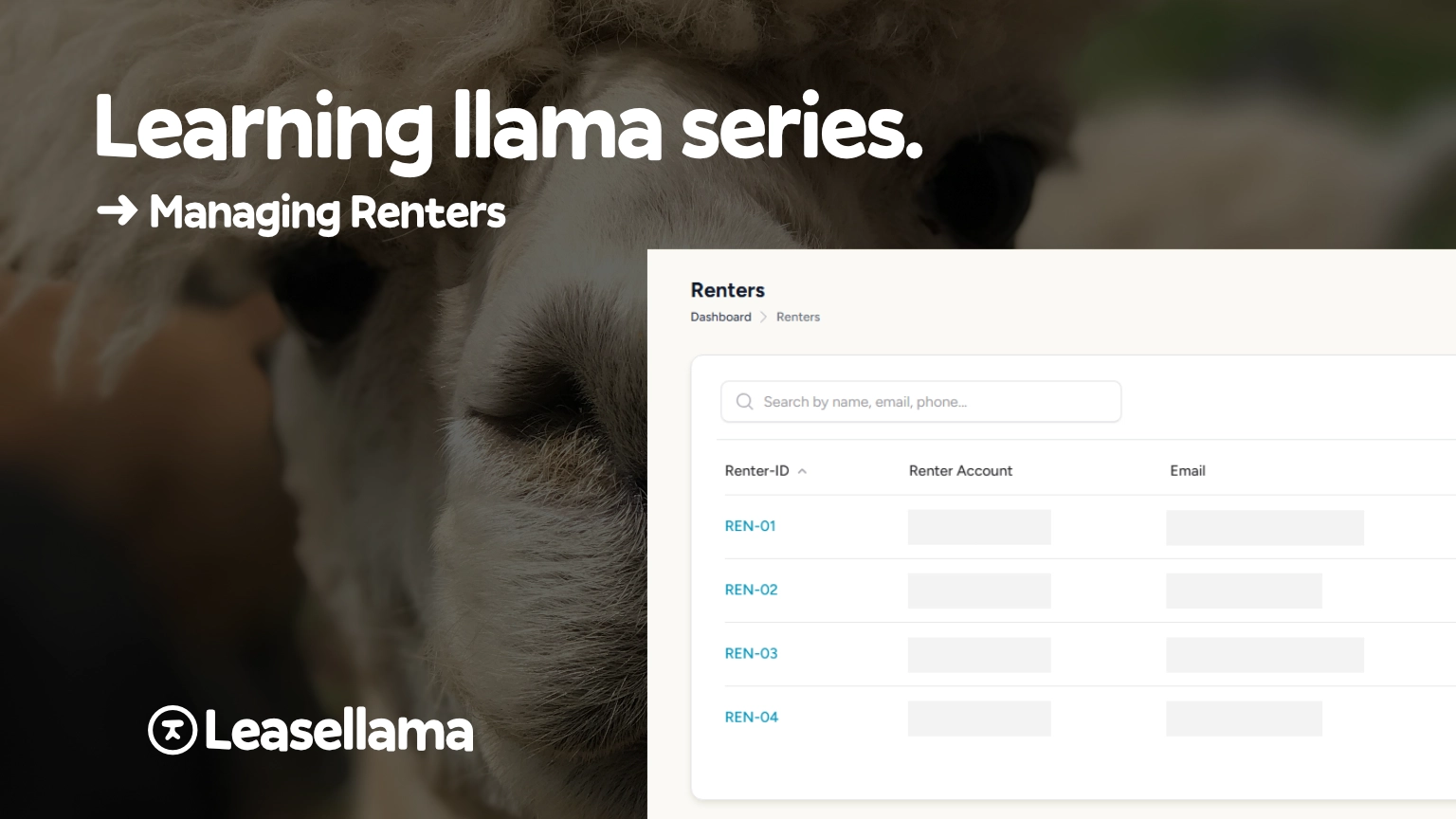
Managing Renters in LeaseLlama
A guide to managing renters in LeaseLlama — from creating accounts and adding payment methods to tracking balances, authorized persons, and the renter ledger.